Featured
Table of Contents
If you're regreting, remember this: your grief shows the depth of your connection. It's not something to "obtain over" however instead to move through, carrying your love and memories ahead right into a life that, while forever changed, can still hold significance and happiness.
Sorrow is an all-natural emotional response to loss. Regreting is a process that can help you pertain to terms with a loss, such as when an enjoyed one passes away. Everybody experiences grief in a different way. Your experience of despair and how you handle it will depend on various aspects. These might include your age, previous experiences with despair and your spiritual or religious views.
Awaiting grief suggests sensation sad prior to the loss takes place. Instead of regreting for the person, that is still with you, you might feel sorrow for things you will not reach do with each other in the future. When facing a significant loss, such as the death of an enjoyed one, it is all-natural to really feel several strong emotions.
This doesn't indicate you have actually provided up on the individual or that you do not care for them. Individuals identified with a terminal health problem and those facing the fatality of a loved one may experience awaiting despair. If you have actually been identified with an incurable health problem, you might experience several emotions consisting of shock, worry and unhappiness.
Exploring Attachment Wounds in Anxiety Specialists
You grieve lost opportunities or experiences you'll miss out on also small ones, such as the satisfaction of the sunlight or a hot cup of coffee. If a person you like is encountering a terminal health problem, it is typical to experience awaiting despair in the months, weeks and days before fatality. You may regret the very same points your loved one is grieving, or different losses entirely.
You may really feel anticipatory pain If your loved one is perplexed or unconscious for a lengthy time (e.g. with ecstasy or dementia). You may really feel that the individual you understood is already gone, even if they are still literally there. If your enjoyed one has a decline in physical health or mobility, you could really feel anticipatory pain as you lose the opportunity to share experiences, such as pastimes, vacations or events.
This is specifically real if you spend a lot of time caring for the person. You might miss out on tasks you utilized to appreciate with each other and feel grief concerning the adjustment in your partnership. The nature of your relationship may change as you take on a carer's duty, or come to be the one being taken care of.
Sensations of sorrow before fatality are regular it's crucial to identify them, and to talk concerning them. Experiencing awaiting sorrow does not necessarily indicate that you will regret your enjoyed one any type of much less after they are gone.

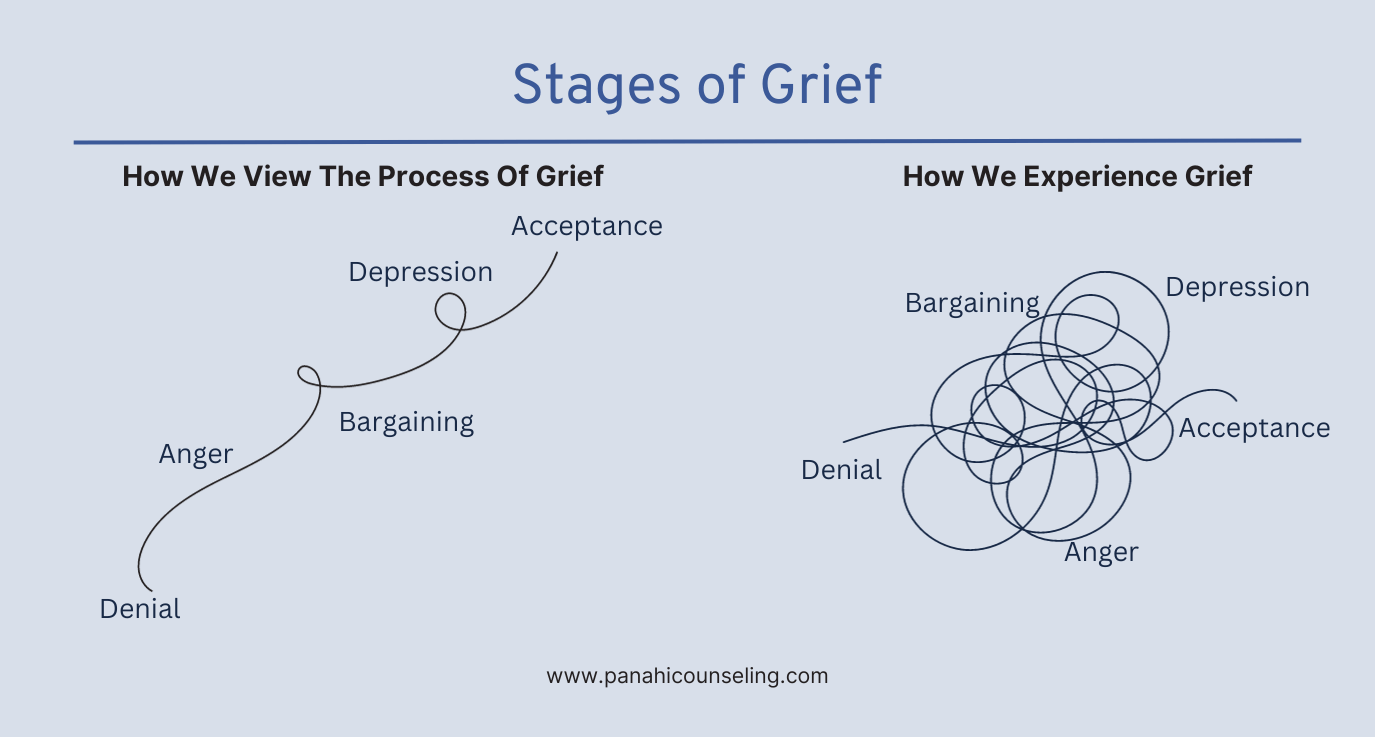
Individuals talk about the five phases of pain as: denial rage bargaining anxiety acceptance. In fact, we do not experience sensations of grief one by one or in a particular order. We recognize that there are no arrange that every person goes via. You may experience these things because they are all regular feelings of grief.
It's typical to feel various other things also, such as shock, anxiousness, fatigue, or sense of guilt. Some people feel numb after the death of a person they cared about. They may also try to carry on as though absolutely nothing has taken place. If you experience this, it might be since it's simply as well unsubstantiated that the person you understand so well is not coming back.
The Function of Somatic Therapy in Trauma Recovery
Perhaps they promise themselves that they will certainly currently constantly do (or otherwise do) something, thinking that it could make the person who has died returned. Or perhaps they believe it will stop any person else dying or various other negative points happening. This is occasionally called 'magical reasoning'. Individuals might likewise discover that they keep going back over the past and ask great deals of 'suppose' concerns, desiring that they might return and change points to ensure that they might have ended up differently.
These sensations can be extremely intense and agonizing, and they might reoccur over several months or years. But most individuals find that uncomfortable sensations similar to this ended up being much less strong over time. If you do not feel this holds true for you, then you need to request aid.
Her version came to be extensively accepted as a means to recognize despair, yet with time, despair counsellors and scientists broadened upon it, causing the growth of the. This extended design integrates extra emotional reactions that people may experience: The initial response to loss typically brings shock and disbelief. This stage serves as a protective system, allowing us to absorb the fact of our loss in manageable dosages.
Sensations of remorse or shame may arisewondering if you can have done something differently, or sensation sadness over points left unexpressed. Despair can show up as angertoward on your own, others, or also the person that has actually passed.

Table of Contents
Latest Posts
Deep Brain Processing: A Breakthrough Treatment for Deep Healing
Advantages of Trauma-Aware Practice for Sustainable Change
Role of Safety in the Context of Clinical Work for Successful Treatment
More
Latest Posts
Deep Brain Processing: A Breakthrough Treatment for Deep Healing
Advantages of Trauma-Aware Practice for Sustainable Change
Role of Safety in the Context of Clinical Work for Successful Treatment