Featured
Table of Contents
Whether you're in talk therapy, pairs treatment, or specialized injury treatment, you're most likely asking the million-dollar question: You're not alone. Progress in treatment isn't constantly as obvious.
She has actually remained in and out of therapy for several years and sees it as necessary to development. Your therapist pays attention without evaluating you, and you feel safe sharing your thoughts and feelings without holding back. They keep in mind information from your previous sessionsnot simply the big things but the personal information that matter to you.
Your specialist obtains all parts of who you are, including your culture, family members dynamics, and personal background. Count on and security are the foundation of effective treatment.
Releasing the Dynamic of Self-Abandonment
This shows up when you examine adverse ideas in genuine time or recognize triggers before they completely ruin your day. Your blind areas, or the repeated patterns of believing or acting that you could not see before, are finally entering emphasis. Maybe you're recognizing you constantly think the most awful will certainly occur when you're stressed out, or you're beginning to see just how your mood changes when you haven't eaten.
, whether that's setting much better limits, reducing anxiety, or improving communication skills. Also small actions matter. Development may look like ultimately saying no to extra work jobs, talking up in a meeting when you differ, or handling to have a difficult conversation without closing down.
Web-Based Services for Modern Life
You didn't check your ex lover's social media, overexplain on your own to your parents, or didn't immediately ask forgiveness when somebody else was plainly incorrect. You're starting to think that change is feasible which your existing battles don't have to last forever. You can imagine a future that looks different from your right now, and you're assuming new thoughts.

This shift from really feeling caught by your circumstances to functioning towards adjustment is a massive advancement. While treatment usually starts by helping lower difficult signs and symptoms, it eventually aids you develop the relationships and life experiences you in fact desire.
Comprehensive Wellness Services
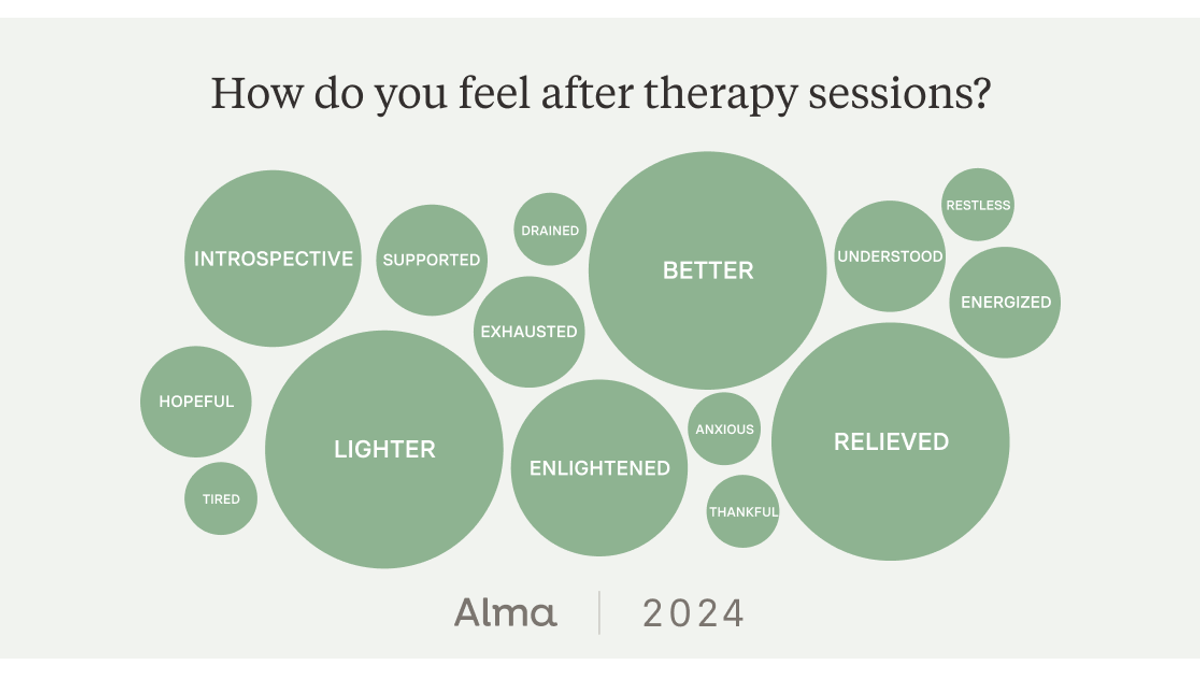
You leave sessions with understandings or approaches rather than feeling totally lost., LMFT, LPCC.Some treatment sessions can be mentally demanding, like exactly how a great workout can leave you literally tired yet stronger.
This doesn't mean something is wrong, however rather you're doing vital work. The distinction is that you really feel supported throughout the process and trust that you're progressing at a rate that works for you. says treatment assisted him challenge dependency, embrace vulnerability, and unlock years of reduced emotion.
Bad days do not instantly turn right into bad weeks any longer. Perhaps you still obtain activated by certain scenarios, yet instead of being stuck for days, you can work through the feeling and relocate forward much more rapidly. You're constructing more powerful emotional muscle mass.
Pricing Options for Depression therapy
This shift is particularly purposeful for any person who has actually experienced injury or difficult life occasions. The goal isn't to neglect what happened or claim it does not matter, yet to create a different partnership with those experiences, one where you can recognize the pain without being eaten by it. You're in fact utilizing what you learn in therapy in your genuine life.
Recognizing your patterns is just the beginning. Adjustment in relationships takes time and practice, yet that deeper self-knowledge produces a structure for meaningful changes in just how you link with others.
Rather of scrolling through social media when stressed out, you could take a stroll or call a friend. Rather of bottling up anger, you might engage in exercise, or technique deep breathing. Journaling for psychological health and wellness is one more method, yet the key is to discover coping methods that help your way of living and individuality.
Help That Fits Your Career
In addition, attempt to be existing, limit disturbances, ask inquiries, and ask your specialist about your goals and development from time to time." Not every therapist is the ideal suitable for every person, and that's okay. Secret caution indicators include: Regularly feeling even worse after sessionsNever discussing goals or treatment progressFeeling judged rather than supported Ask on your own, "Am I being challenged in an encouraging manner in which results in development?".

No two treatment journeys are the very same. You can make progress mentally, psychologically, behaviorally, or, for some people, physically. When it's functioning, treatment can make you feel lighter or even more confident.

Latest Posts
What Happens in an EMDR Intensive
Establishing Trust in Therapy
DBT Treatment: Strengthening Behavioral Control for Mental Health